Diagnostic Imaging
There are some answers that only an image can provide
A mystery to unravel, a pain to understand, a doubt to dispel
“Medical imaging is this: the ability to look inside the body with precision, respect, and timeliness, transforming what cannot be seen into information that changes the course of events.”
Diagnostic imaging is the branch of medicine that allows us to explore the interior of the human body without invasive procedures, using technologies that produce detailed images of organs, tissues, and anatomical structures. Magnetic resonance imaging (MRI), computed tomography (CT), digital radiography, ultrasound, mammography, and bone densitometry are the primary tools radiologists use to identify, characterize, and monitor diseases in support of the patient’s clinical care. It is the point where technology meets medical expertise to transform an image into an answer and a diagnostic suspicion into a certainty.
Our diagnostic imaging centers
Toscana Diagnostica’s diagnostic imaging centers are designed to bring together the best technology in environments centered on people.
Each center follows the same protocols, uses interconnected digital systems, and operates under the same clinical governance. “It doesn’t matter where you have your exam: the quality is that of the network, not of the individual location.”
Our Technologies
We invest in state-of-the-art equipment because image quality is the foundation of every accurate diagnosis
But technology alone isn't enough: we need people who know how to use it, who know how to interpret it, and who put it to work for the right patient at the right time.
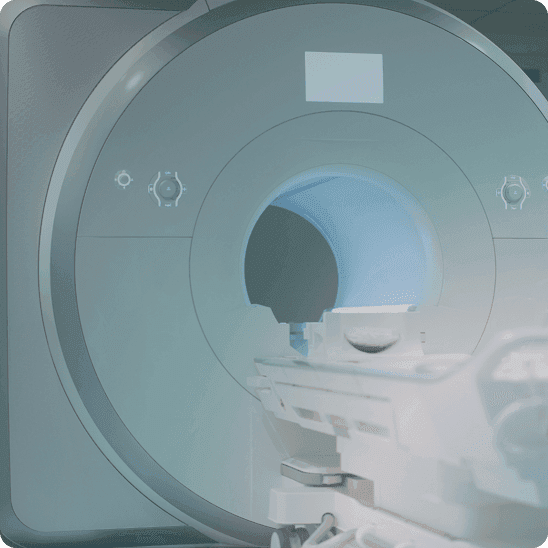
Magnetic resonance imaging (MRI) is the gold standard for evaluating soft tissues, joints, the central nervous system, and many abdominal and pelvic conditions. It does not use ionizing radiation, making it particularly suitable for repeat examinations and for young patients. Our MRI systems offer an optimal balance between image quality, patient comfort, and clinical versatility. They are equipped with dedicated coils for each anatomical region and advanced sequences that allow for detailed examinations in a short amount of time. Magnetic resonance imaging at our centers is used for the evaluation of the brain and spinal cord, including investigations for demyelinating, vascular, and neoplastic conditions; the evaluation of joints (knee, shoulder, hip, ankle, wrist, spine) using specific protocols for sports-related, degenerative, and traumatic conditions; examinations of the abdomen and pelvis, including investigations of the liver, kidneys, pancreas, uterus, and prostate; magnetic resonance angiography for the examination of blood vessels without iodinated contrast agents; musculoskeletal examinations for the evaluation of tendons, ligaments, muscles, and periarticular tissues. For exams requiring the administration of paramagnetic contrast agents, we follow rigorous preliminary evaluation protocols, including assessment of renal function and a structured medical history, to ensure patient safety.
The Digital System: PACS and RIS
The images produced at our centers are not confined to a local archive. They are transmitted and stored in our integrated digital system, which consists of two key components.
RIS: Radiology Information System
It is the system that manages the entire organizational workflow of the exam: from scheduling to check-in, from performing the exam to reporting the results, all the way through to delivering the results. It tracks every step, every staff member, and every phase, ensuring efficiency and transparency.
PACS: Picture Archiving and Communication System
It is the digital image archive. Every X-ray, CT scan, and MRI is stored in high-resolution digital format, accessible from any center in the network and available for review over time for comparisons, follow-ups, and second opinions.
The integration between RIS and PACS creates a seamless information ecosystem, where radiologists, treating physicians, and patients can access the information they need, when they need it, securely and in compliance with data protection regulations. And all your reports are just a tap away via the app or portal.
Useful Information for Your Exam

Wait Times and Appointment Scheduling
"We know that waiting weeks for an MRI or a CT scan isn't just an inconvenience—it's a clinical risk."
That is why we invest in the efficient management of our schedules, optimizing the use of equipment and ensuring dedicated slots for non-urgent cases. Our goal is to offer significantly shorter wait times than the regional average, without ever compromising the quality of the examination or patient safety.

Agreements and Accreditation
"We operate under an agreement with the Regional Health Service of Tuscany and collaborate with health funds, insurance companies, and welfare networks."
This means that our services are also available through the Regional Health System or your own insurance coverage. To find out which agreements are in effect in your area, contact us or check directly at your nearest Toscana Diagnostica location. We also partner with health funds, insurance companies, and corporate wellness programs.
Your reservation starts here
You can do this online through our reservation system, by phone, or in person at our centers.